




The energy in the convention center was palpable from the second we stepped inside. It wasn’t just the massive crowd; it was the vibe of a thousand kids clutching their notebooks like they were entry passes to something that actually mattered. For the first time, I didn’t feel like I was just doing a school elective to pad my resume. Being in a room where everyone actually cares about the weight of a headline or the power of a single photo was a total reality check. The first season I went to really set the tone; this veteran journalist basically told us that being a student reporter isn’t about playing it safe; it’s about being the voice of the community, even when that makes people in power uncomfortable.
The convention was honestly a blur because I wanted to be in three places at once. I started in a photography workshop thinking I’d get some basic advice about lighting, but I walked away with actual technical tips that made my phone feel like a legit piece of gear. Then things got serious in the investigative journalism session. They didn’t sugarcoat how hard it is to dig for the truth or how awkward it feels to interview people who clearly want you to go away. It made me realize how much “fluff” we’ve been writing back home while ignoring the real stories happening right under our noses.
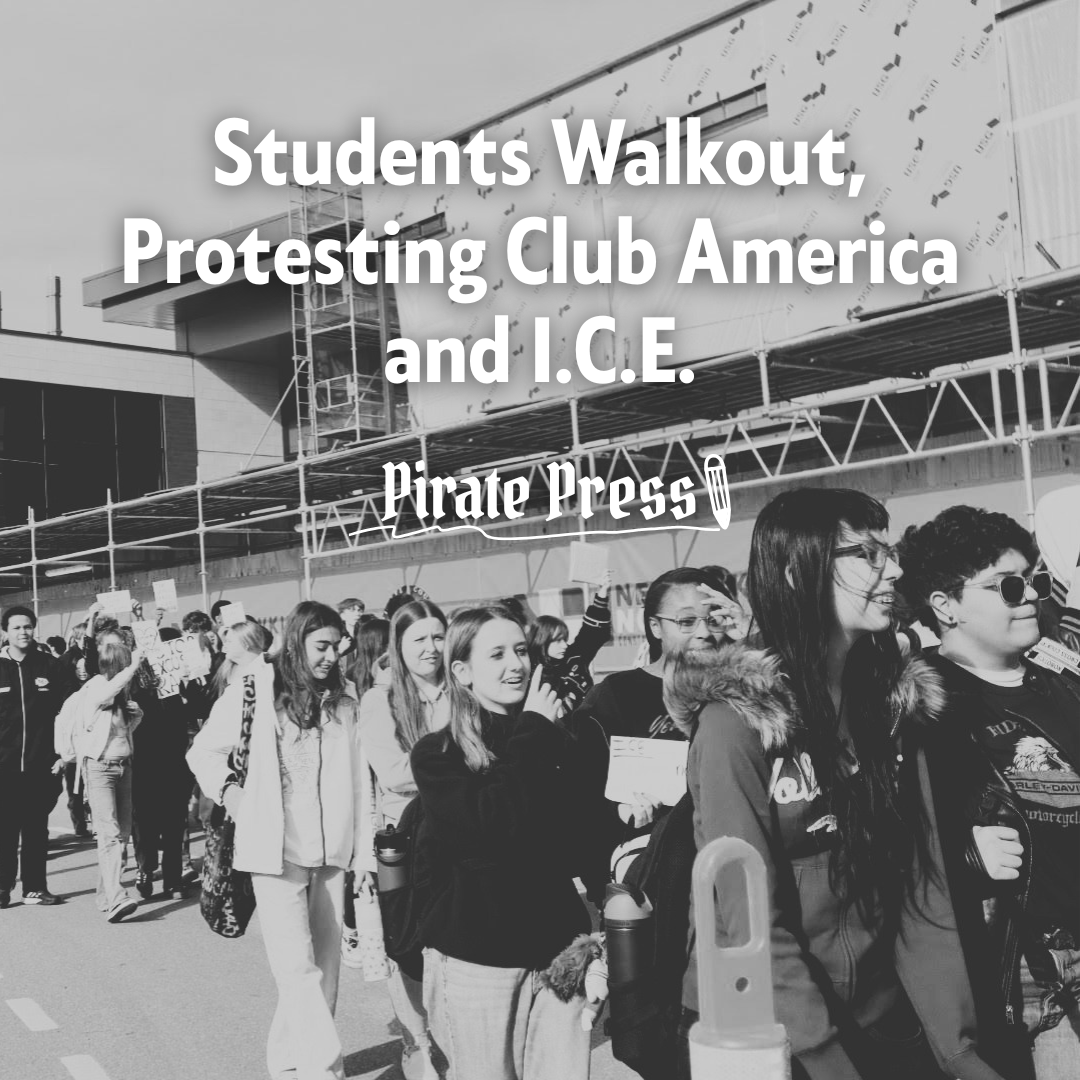
The biggest wake-up call, though, was the discussion on the Anti-ICE walkouts. Seeing how student journalists across the country handled those protests was mind-blowing. While we’ve been worrying about pep rallies, editors in places like the Bay Area were on the front lines documenting kids who were risking their entire futures to protect their families. It sparked this huge internal debate for me about what “objectivity” even means. Being a good reporter isn’t about sitting on the fence; it’s about having the guts to cover the things the school board would rather we stay quiet about.
Between the sessions, the best part was honestly just talking with people who finally get what was happening. I spent 30 minutes talking with an editor from California about the struggle of getting people to stop censoring schools, and it was so refreshing to realize that my “school problems” are universal. It didn’t feel like a competition for awards; it felt like we were all part of one massive, caffeinated, slightly stressed-out team. Even the coffee breaks felt like opportunities to swap ideas and realize that we aren’t just kids playing at being reporters; we’re doing the work.
By the second day, I was physically exhausted but totally hyped. We had a session on the future of the industry, covering everything from AI to interactive media, and it was a little terrifying to think about how much things will change by the time I’m a professional. But instead of feeling discouraged, I felt like I was standing on the edge of something huge.
I’m heading back with a whole new perspective and a chip on my shoulder. I want to blow up our old website format, make it interactive, and start using those investigative techniques to hold people accountable. It’s a lot to take in, but it’s the good kind of a lot.